
Sarah and Waiting: Trusting God When Time Feels Like the Enemy
There are seasons of life when waiting feels less like patience and more like endurance. You pray, you hope, you believe, and still nothing changes. Days turn into years. The promise you once held tightly now feels heavy, almost painful to carry. You watch others move forward while you remain in the same place, quietly wondering if you heard God correctly in the first place. Waiting has a way of making faith feel fragile. If you have ever sat in that tension between what God said and what you see, you are not alone. Scripture introduces us to a woman who lived there for decades. Her name was Sarah, and her story speaks powerfully to anyone who has ever asked, “How long, Lord?”
WOMEN OF THE BIBLE
2/3/20265 min read

When God Speaks, but Time Keeps Passing
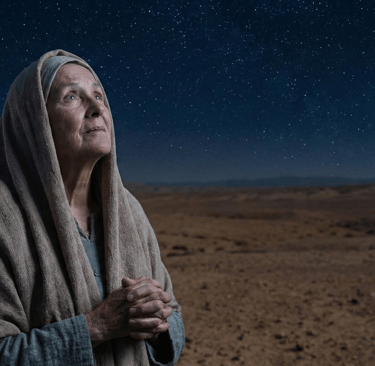
Sarah’s story begins long before the miracle she is famous for. In Genesis 12, God calls her husband Abram to leave everything familiar and follow Him to an unknown land. Along with that calling comes a promise, descendants as numerous as the stars.
There is just one problem.
Sarah is barren.
Genesis 11:30 states it plainly, without explanation or emotion: “Sarai was barren; she had no child.” In ancient culture, this was not just a personal sorrow. It was a social identity. A woman’s worth, security, and future were closely tied to motherhood. Barrenness carried shame, vulnerability, and grief.
Yet God speaks promise anyway.
From the outside, it might look like faith should come easily after such a clear word from God. But Scripture does not skip over time the way we often do. Years pass. Seasons change. Wrinkles deepen. Hope stretches thin.
God had spoken, but He had not yet acted.
The Long Silence Between Promise and Fulfillment
One of the hardest parts of Sarah’s story is how much of it happens quietly. Scripture highlights key moments, but between those verses were decades of ordinary life.
Decades of waking up without answers.
Decades of watching her body age.
Decades of carrying a promise that felt increasingly unrealistic.
Waiting is rarely dramatic. It is repetitive. It is living faithfully while nothing seems to move. This kind of waiting tests not only patience, but identity and trust.
Sarah’s struggle was not that she did not hear God. It was that time kept contradicting what she heard.
Many women today know that tension well. You remember the prayer that felt certain. The direction that seemed clear. The dream that felt God-breathed. But now, time has introduced doubt.
Waiting whispers lies:
Maybe you misunderstood God
Maybe this was for someone else
Maybe you waited too long
Sarah’s story tells us something crucial here. Silence does not equal absence. God was still present, still faithful, still working, even when nothing appeared to be happening.
Waiting Reveals What We Trust Most
Waiting has a way of exposing what we rely on for security. When answers come quickly, trust feels easy. But prolonged waiting brings deeper questions to the surface.
Can I trust God when I do not understand His timing?
Can I believe His promise when my circumstances argue otherwise?
Can I keep walking forward without clarity?
In Genesis 15, Abram brings his questions directly to God. God responds not with a timeline, but with reassurance. He reminds Abram of His character and restates the promise.
Notice what God does not do. He does not explain how or when. He simply reaffirms who He is.
Waiting often strips away explanations so faith can be anchored in relationship rather than outcomes.
For Sarah, this meant learning, slowly and imperfectly, that faith was not about controlling results. It was about continuing to trust God’s heart when the path forward remained unclear.
When Waiting Turns Into Weariness
Eventually, waiting wore Sarah down.
By Genesis 16, she is tired of hoping. Time has passed. Her body has changed. The promise feels distant. So she does what many of us do when waiting feels unbearable. She takes control.
Sarah offers her servant Hagar to Abram as a way to “help” God fulfill His promise.
This decision did not come from rebellion. It came from exhaustion.
Waiting too long without renewal can push us toward self-reliance. We begin to believe that if something is going to happen, it must be because we made it happen.
Sarah’s choice reminds us that waiting seasons are spiritually vulnerable seasons. They require support, prayer, and honest conversation with God. Without those, even sincere faith can slip into fear-driven action.
Yet even here, God does not abandon Sarah.
God’s Faithfulness Is Not Fragile
One of the most beautiful truths in Sarah’s story is this. God’s faithfulness does not depend on perfect waiting.
Despite detours, missteps, and moments of doubt, God remains committed to His promise.
In Genesis 18, God revisits the promise directly. Sarah, now well beyond childbearing years, overhears the conversation and she laughs.
Her laughter is not joyful. It is guarded. Skeptical. Tired.
God responds with a question that echoes across generations:
“Is anything too hard for the Lord?”
This is not a rebuke. It is an invitation. God gently redirects Sarah’s focus away from her limitations and back to His power.
Waiting may weaken our confidence, but it never weakens God’s ability.
Fulfillment Comes, but Not the Way We Expect
Genesis 21 opens with a simple but powerful statement: “The Lord visited Sarah as He had said.”
Not as she imagined.
Not on her schedule.
But exactly as God promised.
Isaac is born, and Sarah laughs again, this time with joy. The years of waiting are not erased, but they are redeemed. Her laughter now carries gratitude instead of grief.
It is important to notice that fulfillment does not rewrite history. Sarah did not forget the waiting years. But those years no longer defined her story.
God did not just give Sarah a child. He gave her evidence that waiting had not been in vain.
What Sarah’s Waiting Teaches Us Today
Sarah’s story speaks directly to modern faith struggles.
Waiting does not mean God has forgotten you.
Delays do not cancel promises.
Doubt does not disqualify faith.
God often works in ways that stretch time because He is shaping hearts, not just outcomes.
Waiting refines trust. It deepens dependence. It invites us to know God not only as a promise-maker, but as a promise-keeper.
Most importantly, waiting reminds us that God’s timeline is governed by wisdom, not indifference.
How to Wait Without Losing Hope
Waiting well does not mean waiting silently or stoically. Sarah’s story encourages us to wait honestly.
Bring your questions to God.
Acknowledge disappointment instead of suppressing it.
Resist the urge to force outcomes prematurely.
Stay rooted in God’s character, not your circumstances.
Faithful waiting is not passive. It is intentional trust practiced daily.
Reflection Questions
Take a moment to reflect:
What promise or prayer are you currently waiting on?
How has waiting shaped your faith, positively or negatively?
Where are you tempted to take control instead of trusting God’s timing?
What would it look like to trust God today, even without answers?
A Final Word of Encouragement
If you are waiting, truly waiting, and it feels heavy, hear this clearly.
God sees you.
He sees the quiet faithfulness. He sees the prayers that feel unanswered. He sees the strength it takes to keep hoping when nothing changes.
Sarah’s story reminds us that waiting is not the absence of God’s work. It is often the place where His work runs deepest.
What God has promised, He will fulfill.
What He has spoken, time cannot erase.
What He is forming in you during the wait may matter just as much as what you are waiting for.
Hold on. God is still faithful, right on time.


Connect
Join our community for daily spiritual growth.
Contact
Subscribe
© 2026. All rights reserved.